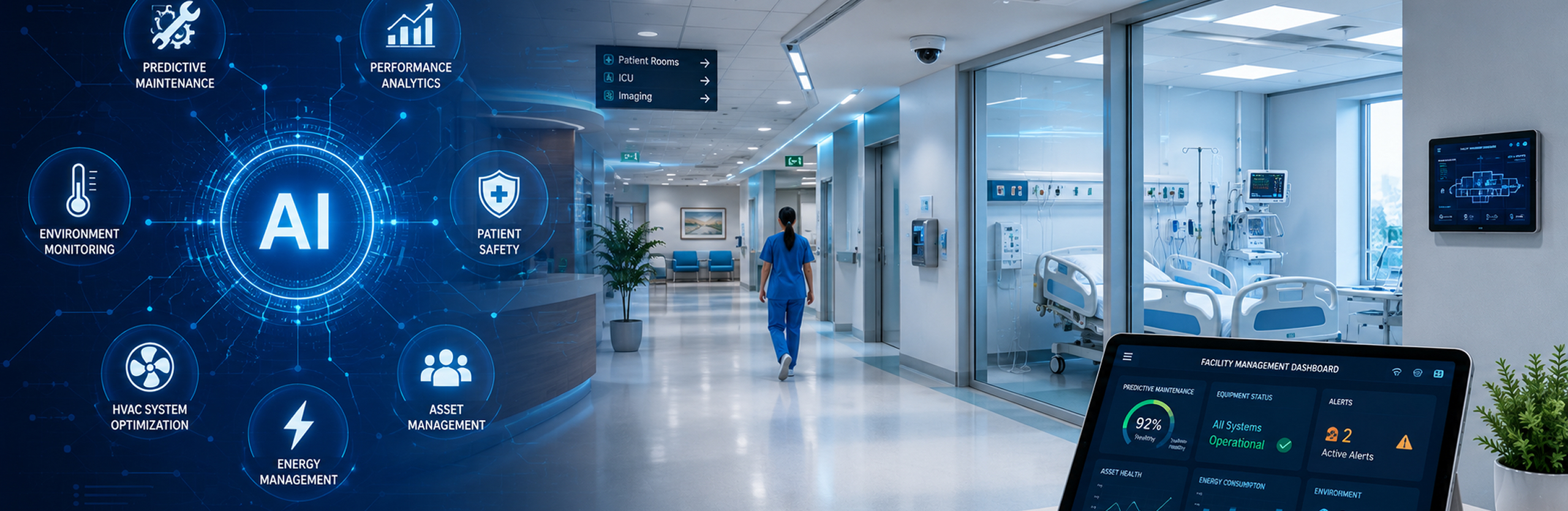

Integrated Facilities Management Trends Shaping 2026 in the UAE
Integrated Facilities Management (IFM) is no longer just an emerging concept in the UAE. It is gradually becoming the preferred method for organizations to manage their facilities, assets, and support services.
As developments grow larger and operations become more interconnected, managing facilities through isolated service contracts becomes difficult to sustain.
Many organizations find that fragmented models lead to gaps in accountability, delayed decision-making, and inconsistent service outcomes.
This is why IFM has gained traction.
By bringing people, systems, and processes together under a single operational structure, IFM offers clarity, control, and long-term stability.
In 2026, this shift is expected to move even faster, driven by efficiency pressure, regulatory expectations, and the need for facilities that can adapt to change.
This approach combines hard services, soft services, and support functions into one coordinated framework.
Instead of managing multiple vendors independently, organizations operate through a centralized model with defined ownership and oversight.
Across the UAE, businesses are beginning to see IFM as more than a cost-focused solution. It is increasingly viewed as a way to improve long-term asset performance.
Rather than reacting to breakdowns or service gaps, IFM allows organizations to plan ahead.
Maintenance, compliance, sustainability, and service delivery are managed with a broader operational view, instead of the conventional reactive response model.
1. Automation Becomes Part of Everyday IFM
Automation is one of the most influential changes. Tasks such as work order allocation, service scheduling, and asset tracking are now commonly handled through digital systems.
This reduces manual coordination and allows teams to focus on oversight rather than administration.
In practice, automation in integrated FM supports better control.
Facility managers can see what is happening across sites in real time, identify delays early, and respond before issues escalate.
In 2026, automation is expected to be embedded in most IFM operations. And it’s not about removing human involvement, but about giving teams better tools to make informed decisions.
2. Smart Operations Redefine How Facilities Are Managed
Smart operations in IFM are becoming a defining feature of facility management models.
Through connected systems such as IoT sensors and building management platforms, facility management teams gain a clearer picture of how buildings actually perform.
Energy consumption, equipment behavior, occupancy trends, and environmental conditions can all be monitored continuously.
For large commercial properties and critical infrastructure, data translates to insights that help maintain compliance, efficiency, and seamless operations.
More importantly, it allows decisions to be based on real operating conditions rather than assumptions.
3. Data Moves from Reporting to Decision-Making
Data has always been an integral part of facilities management. What is changing is how it is used.
Integrated FM platforms now allow businesses to analyze trends across maintenance history, energy use, service response times, and asset performance. When interpreted correctly, this information makes organizational planning more efficient.
This data-led approach helps companies improve:
- Asset lifespan
- Budget forecasting
- Compliance and ESG goals
In 2026, IFM models using operational data are forecasted to outperform those that rely on static schedules and manual reporting.
4. Sustainability Becomes Part of Core IFM Operations
Sustainability is no longer treated as a good-to-have initiative.
It’s increasingly built into daily operations. Energy optimization, waste handling, water efficiency, and emissions reduction are managed through the same systems that oversee maintenance and service delivery.
This alignment allows organizations to track performance against national goals and ESG requirements more accurately.
As expectations around environmental responsibility continue to rise in the UAE, sustainable performance will sit alongside efficiency and compliance as a key measure of IFM success.
Centralized governance is another popular integrated facilities management trend among companies.
With IFM, businesses operate through a single point of responsibility. This reduces duplicated effort, simplifies coordination, and ensures service standards are applied consistently across sites.
Now, centralized models are particularly valuable in regulated sectors such as healthcare, education, aviation, and industrial operations. Clear accountability makes it easier to manage audits, track compliance, and respond quickly when issues arise.
In 2026, many businesses will adopt IFM frameworks to maintain operational control as they expand or diversify their portfolios.
As smart operations in IFM frameworks become more advanced, experience plays a larger role in successful delivery.
Organizations across the UAE prefer and are increasingly partnering with facilities management providers that understand local regulations, infrastructure challenges, and sector-specific requirements.
Industry leaders, such as Al Arabia Facilities Management L.L.C., are always on top of integrated FM trends and have supported this shift by applying technology-enabled insights, structured processes, and integrated service models.
Rather than focusing only on short-term maintenance outcomes, our mature IFM approach prioritizes long-term asset value, risk management, and continuous performance improvement.
The growth of integrated and technology-driven FM models is also reshaping workforce requirements.
Professionals working in FM teams are now expected to manage digital platforms, interpret performance data, and coordinate across multiple service areas. Technical knowledge alone is no longer enough.
As a result, training and continuous development are becoming essential parts of IFM strategies. A skilled and adaptable workforce allows businesses to respond more effectively to changing facility demands and operational risks.
And this is where experienced IFM companies prevail over new players.
IFM is becoming the operational standard for organizations seeking clarity, resilience, and long-term efficiency.
Businesses that adapt early to evolving IFM trends in 2026 are better positioned to improve service quality, meet sustainability goals, and support steady growth.
The future of integrated FM lies in alignment. Alignment between people and technology, sustainability and performance, and facilities operations and wider business objectives.
And organizations that recognize this shift now will be better prepared to manage their facilities not just as physical assets, but as strategic enablers of business performance.