
Why Choosing the Right Facilities Management Partner is Critical to Business Success
Facilities directly influence how smoothly an organization functions. A failure in a critical system can disrupt workflows, affect employees and customers, and create unexpected expenses.
From ensuring regulatory compliance and reducing operational disruptions to extending asset lifecycles and controlling long-term costs, effective facilities management has become a strategic business function in today’s world.
And as organizations become more complex, managing these systems requires specialized knowledge, structured processes, and continuous oversight.
However, not all service providers offer the same level of expertise or accountability.
And choosing a facilities management partner solely based on cost can lead to inconsistent maintenance, compliance gaps, and higher operating costs.
In such scenarios, the right facilities management partner is absolutely crucial for your business, supporting operational performance while protecting long-term asset value.
This guide explores why choosing a facilities management partner matters, the qualities businesses should prioritize, and how a reliable provider can deliver lasting value beyond day-to-day maintenance.
Why the Right Facilities Management Partner Makes a Difference
Selecting the right provider is an investment in operational resilience and long-term organizational performance.
The strongest providers combine qualified technical teams, integrated service delivery, digital management tools, and structured maintenance programmes to deliver consistent performance rather than isolated maintenance activities.
They work as an extension of your team, providing the expertise, responsiveness, and strategic support needed to keep operations running smoothly as your business evolves.
Protecting Asset Performance
From HVAC and electrical systems to plumbing, elevators, fire protection systems, and specialized equipment, organizations depend on a wide range of critical assets.
Their performance directly impacts daily operations, making regular maintenance essential for maintaining reliability and reducing the risk of unexpected failures.
However, each asset has unique maintenance requirements, compliance obligations, and performance standards that must be consistently monitored to ensure optimal operation.
Many service providers focus solely on fixing broken equipment when failures occur, leading to increased repair costs and shorter asset lifecycles.
An experienced facilities management partner, on the other hand, adopts a preventive approach that proactively identifies potential risks before they disrupt operations, helping organizations improve operational efficiency.
To learn more about managing assets and improving performance, read: Asset Management Strategies for Warehouses and Industrial Facilities.
Improving Cost Efficiency
Facility costs are influenced by maintenance, energy use, labour, repairs, and equipment replacement when required.
Without a structured maintenance strategy, these costs can become unpredictable, particularly when unexpected equipment failures disrupt day-to-day operations.
Selecting a provider solely focused on short-term maintenance costs can lead to hidden costs through recurring breakdowns, inefficient resource allocation, and increasing emergency repair expenses.
Instead, a professional facilities management partner helps reduce the likelihood of disruptions through planned inspections, condition monitoring, and scheduled servicing.
Preventive maintenance approaches are implemented to identify developing issues early and address them before they escalate into major failures.
Effective business facilities management maximizes the value of investments while maintaining consistent operational performance. This is a key objective.
For more information on improving cost efficiency, read How to Reduce Operating Costs Through Effective Facility Management.
Supporting Safety and Compliance
Compliance remains one of the most critical responsibilities in facility management.
Organizations must satisfy numerous health and safety, fire protection, environmental, and statutory requirements while ensuring their buildings remain safe for employees, contractors, visitors, and occupants.
Achieving and maintaining this compliance involves implementing structured maintenance programmes, conducting regular inspections, monitoring critical systems, and following documented procedures.
Providers without sufficient expertise or robust compliance processes may overlook inspections, documentation, and regulatory updates, exposing organizations to compliance failures, penalties, and operational risks.
Seasoned facilities management partners, like Al Arabia Facilities Management L.L.C., take a systematic approach to compliance.
We implement structured maintenance frameworks and proactively monitor regulatory requirements, reducing operational risk while supporting adherence to applicable regulations and industry standards.
Comprehensive documentation is equally essential.
Maintenance records, inspection reports, certifications, and service histories demonstrate that building systems are being managed correctly while providing valuable evidence during audits, regulatory inspections, and insurance assessments.
Not all service providers possess the technical expertise or established processes necessary to manage regulatory obligations effectively.
This can lead to missed inspections, incomplete documentation, and delayed corrective actions, all of which pose operational risks, penalties, and reputational damage.
An experienced FM service partner integrates these processes into day-to-day operations, helping organizations maintain consistent compliance, minimize regulatory risks, and support a safe, well-managed working environment.
Leveraging Technology for Smarter Facilities Management
Technology has become an integral part of modern facilities management.
However, many providers still rely on manual tracking and reactive reporting, which makes it difficult to identify maintenance trends before failures occur.
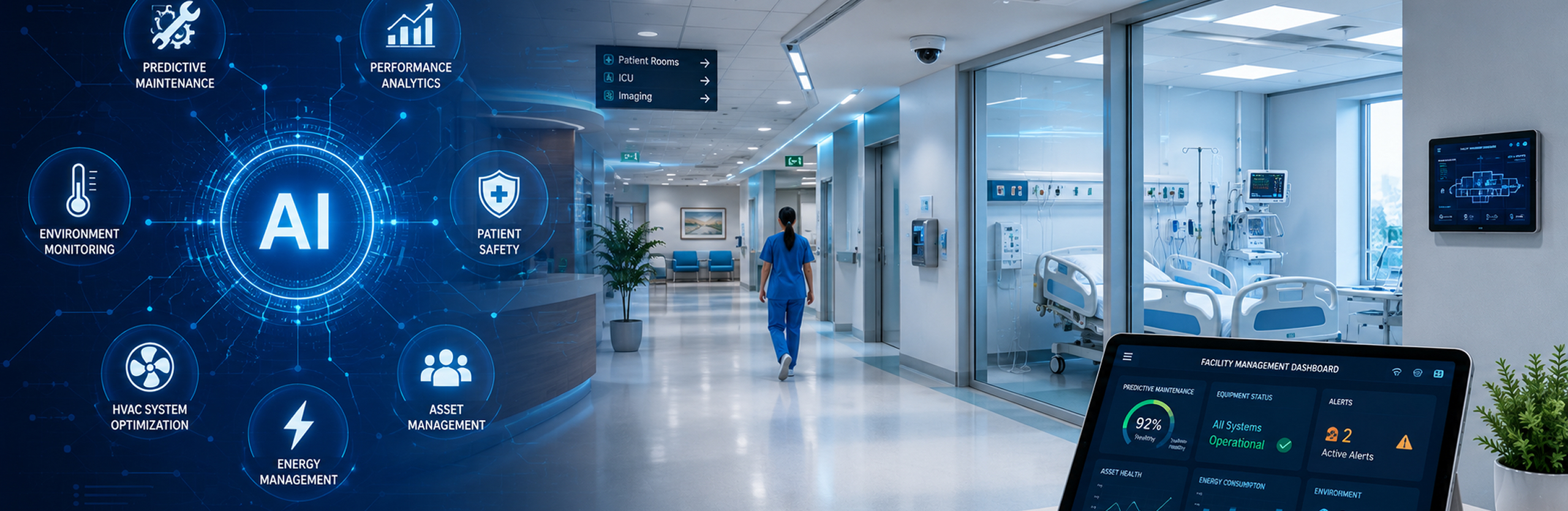
Advanced technologies such as building management systems, IoT sensors, Computerized Maintenance Management Systems (CMMS), and digital reporting platforms provide real-time visibility into equipment performance, maintenance activities, and energy consumption.
By centralizing operational data and automating routine processes, these technologies support asset tracking, predictive maintenance, automated work orders, service monitoring, and performance reporting.
This enables facility teams to make informed decisions, improve resource planning, and respond more quickly to maintenance requirements.
Al Arabia Facilities Management L.L.C. integrates digital facility management tools into its service delivery, providing clients with transparent reporting, reliable maintenance records, and actionable performance insights.
For more insight into the requirements organizations in the UAE are expected to meet for FM, read UAE Compliance Requirements for Facility Asset Management.
A Long-Term Approach to FM
Facilities evolve when assets age, occupancy patterns shift, technology advances, and operational demands fluctuate.
As a result, effective business FM services require ongoing assessment and not a fixed maintenance approach.
Regular performance reviews, lifecycle planning, and preventive strategies allow facilities to adapt while maintaining consistent service standards.
Achieving this level of continuous improvement demands experience, technical expertise, and structured service management.
With over 40 years of industry experience, Al Arabia Facilities Management L.L.C. delivers structured facilities management solutions that combine technical expertise, planned maintenance, and effective service management.
The result is reliable, efficient, and future-ready facilities that can adapt to changing business needs with confidence.
Final Perspective: Choosing the Right Facilities Management Partner
Effective facilities management supports business continuity, asset performance, compliance, and long-term operational efficiency.
Choosing the right facilities management partner requires evaluating technical expertise, service capabilities, technology adoption, and the ability to deliver reliable and preventive maintenance solutions.
Above all, the provider should understand the organization’s operational priorities and have flexibility to adapt business FM services as requirements evolve.
Meeting these expectations requires a partner with both proven expertise and a comprehensive service approach.
Al Arabia Facilities Management L.L.C. combines decades of industry expertise with integrated facilities support services, advanced technology, and proactive maintenance strategies to help organizations protect assets, maintain compliance, and support long-term business performance.