
Top Facilities Management Challenges in the UAE: How Al Arabia FM Leads with Smart Solutions
The UAE’s rapidly expanding infrastructure has created sophisticated facility management requirements.
From high-rise commercial towers and manufacturing facilities to hospitals and mixed-use developments, every property depends on efficient management to maximize operational performance and asset longevity.
At the same time, organizations face growing pressure to reduce operational expenses, improve sustainability, enhance occupant experiences, and extend the lifecycle of valuable building assets.
These expectations have transformed traditional maintenance into intelligent, data-driven facility management.
Successfully addressing these evolving requirements calls for modern strategies that combine preventive maintenance, skilled technical teams, digital technology, and continuous performance monitoring.
The Biggest Facilities Management Challenges for Organizations in the UAE
The UAE’s facilities ecosystem is shaped by rapid urban expansion, diverse property portfolios, and highly demanding operational environments.
Managing multiple asset types across commercial, residential, and industrial sectors requires coordination across different service expectations, usage patterns, and operational priorities.
In addition, the region’s unique environmental conditions and fast-paced development cycles place continuous pressure on facility performance and service responsiveness.
Having said that, the following are the most common challenges noted.
1. Balancing Cost Control with Quality
One of the most significant FM challenges is maintaining high service standards and operating within tight budgets.
Deferred maintenance reduces immediate expenses but increases repair costs, sudden equipment failures, and shortens asset lifespans.
Organizations require maintenance strategies that optimize spending without compromising operational reliability.
Monitoring operational data, flagging anomalies, along with preventive and planned maintenance programs help reduce costly emergency repairs and improve overall asset performance.
2. Managing Aging Assets
Many commercial buildings and industrial facilities operate with equipment that has been in service for many years.
HVAC systems, electrical infrastructure, plumbing networks, elevators, and mechanical equipment require continuous monitoring to prevent breakdowns and maintain operational efficiency.
Without structured maintenance schedules, aging assets become increasingly expensive to manage.
A proactive maintenance approach enables organizations to identify developing issues before they affect business continuity.
Read more: What is the Difference Between Corrective and Preventive Maintenance in FM?
3. Meeting Regulatory and Safety Requirements
The UAE maintains rigorous standards for workplace safety, fire protection, environmental compliance, and building operations.
Keeping facilities compliant requires regular inspections, equipment testing, documentation, and adherence to evolving regulations.
Missing maintenance schedules or inspection deadlines can increase operational risks and expose organizations to potential compliance issues.
Professional facility management providers such as Al Arabia Facilities Management L.L.C. ensure that maintenance activities support ongoing regulatory compliance, helping organizations maintain safe working environments.
4. Improving Energy Efficiency
Energy consumption remains one of the largest operational expenses for many facilities.
Building owners are increasingly seeking ways to reduce utility costs without affecting occupant comfort or operational performance.
Inefficient HVAC systems, poor equipment performance, and unnecessary energy consumption can significantly increase operating costs.
Modern maintenance practices focus on optimizing building systems to improve energy efficiency and support broader sustainability objectives.
Read more: Energy Management and Sustainability in Hard FM: Best Practices for 2026
5. Integrating Smart Building Technology
Digital transformation has become an important part of modern facility management.
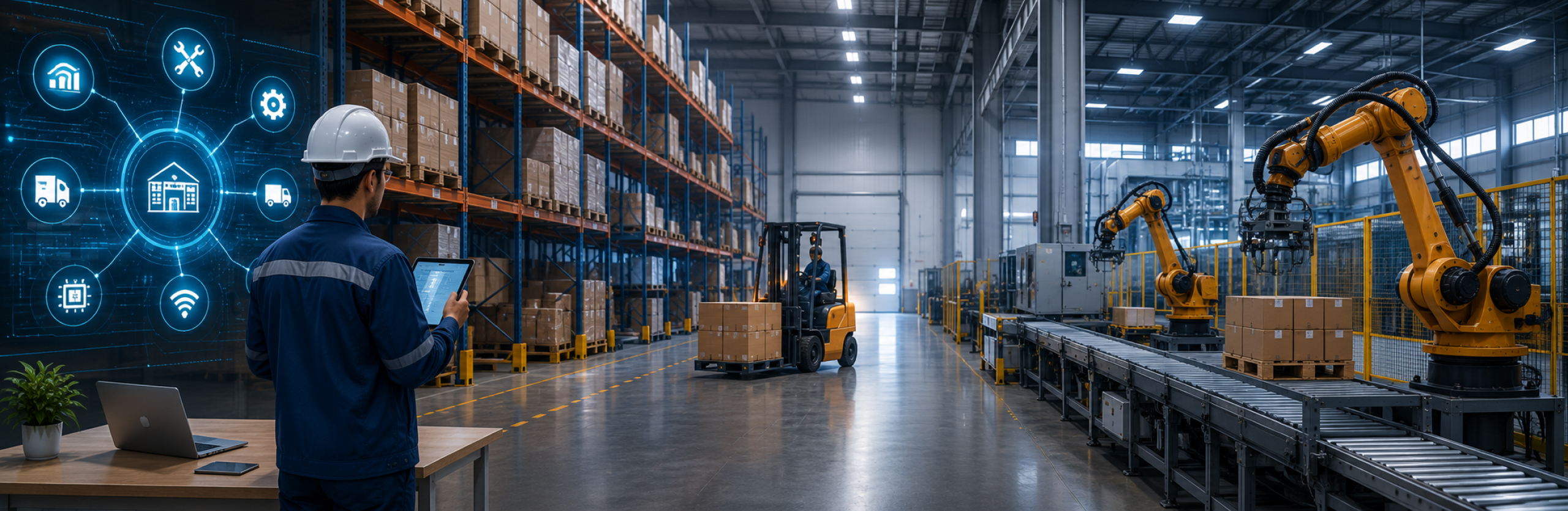
Organizations are increasingly adopting Building Management Systems (BMS), IoT sensors, Computerized Maintenance Management Systems (CMMS), and real-time reporting platforms to improve operational visibility.
However, implementing and managing these technologies effectively remains a growing challenge for facilities management in many organizations.
Technology delivers maximum value only when supported by experienced facility management professionals who interpret operational data and translate it into informed maintenance decisions.
The Role of Smart Facilities Management
As buildings become more connected, organizations are shifting from reactive maintenance toward smart facilities management.
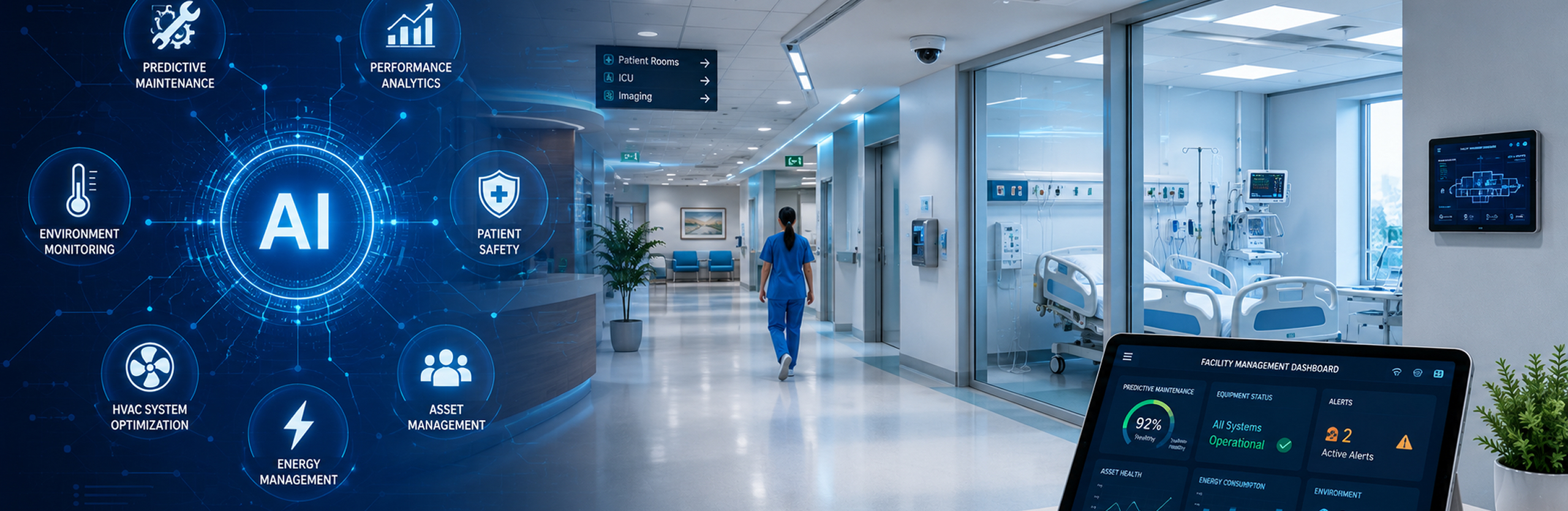
Instead of waiting for equipment to fail, intelligent monitoring systems continuously collect operational data that helps maintenance teams identify performance issues early.
Predictive maintenance minimizes unplanned downtime, reduces repair costs, and improves equipment reliability.
Real-time dashboards, automated work orders, digital inspections, and centralized reporting improve operational transparency and enable faster decision-making.
These capabilities allow facility managers to allocate resources more effectively while maintaining consistently high service standards.
Delivering Smart Facilities Solutions for Modern Operations
Successful smart facilities solutions combine digital platforms with experienced technical teams, structured maintenance planning, and continuous performance evaluation.
By integrating advanced monitoring systems with preventive maintenance programs, organizations gain greater visibility into asset performance.
This integrated approach supports:
- Faster response to maintenance requests
- Improved equipment reliability
- Reduced unplanned downtime
- Better resource allocation
- Enhanced operational efficiency
- More informed decision-making through performance data
Together, these benefits contribute to stronger long-term facility performance and lower lifecycle costs.
Read more: Digital Transformation in FM: Tools and Best Practices in the UAE
How Al Arabia FM Delivers Smarter Facility Management
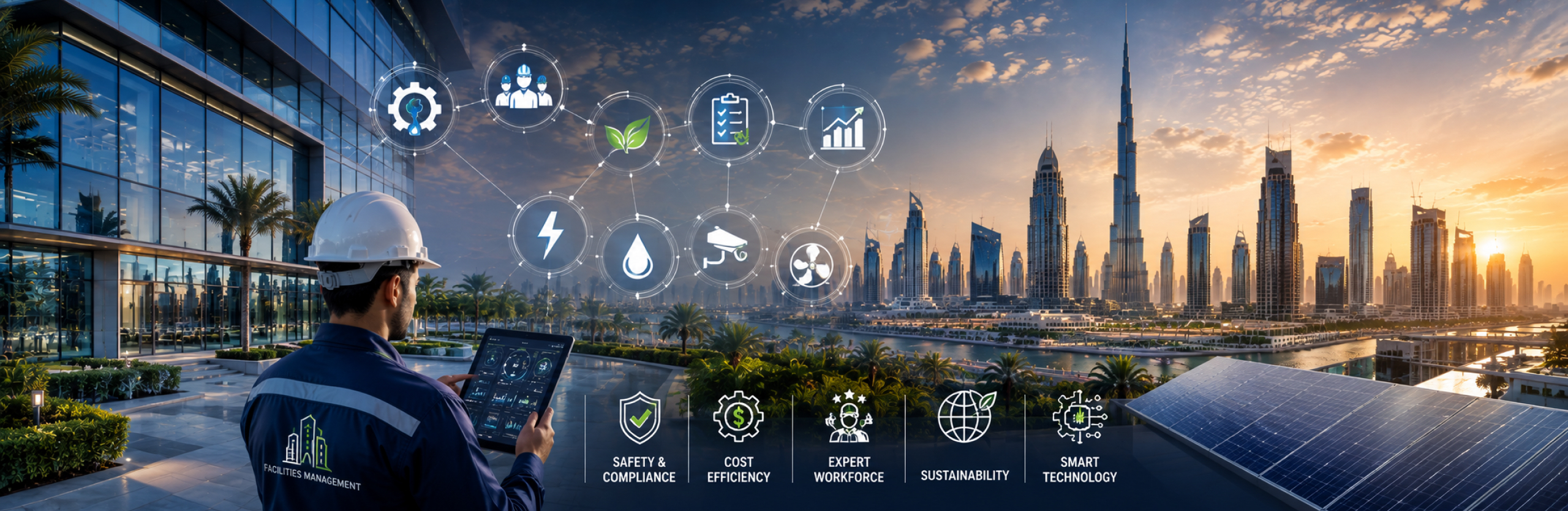
Al Arabia Facilities Management L.L.C. combines decades of industry expertise with advanced technologies and highly qualified maintenance professionals to help organizations overcome today’s most pressing facility management challenges.
The company adopts preventive and predictive maintenance strategies that prioritize long-term asset performance, operational continuity, and cost optimization.
Its integrated approach includes comprehensive maintenance planning, skilled technical support, digital monitoring systems, transparent reporting, and rapid emergency response capabilities.
These capabilities enable clients to benefit from practical solutions that improve operational reliability and support business objectives.
By leveraging advanced maintenance technologies, data-driven decision-making, and experienced facility management teams, Al Arabia Facilities Management L.L.C. delivers dependable smart FM solutions that adapt to the unique requirements of commercial, industrial, healthcare, educational, and residential facilities across the UAE.
Building Smarter Facilities for the Future
The demands placed on modern facilities continue to grow as organizations pursue greater efficiency, sustainability, and operational resilience.
Successfully managing today’s complex environments requires proactive planning, intelligent technologies, and experienced professionals working together.
As the industry continues to embrace digital transformation, organizations that invest in integrated maintenance strategies will be better positioned to reduce costs, extend asset lifecycles, improve occupant satisfaction, and maintain uninterrupted operations.
With its commitment to innovation, technical excellence, and customer-focused service delivery, Al Arabia Facilities Management L.L.C. continues to help organizations navigate evolving FM challenges through reliable, technology-enabled facility management solutions designed for long-term performance.