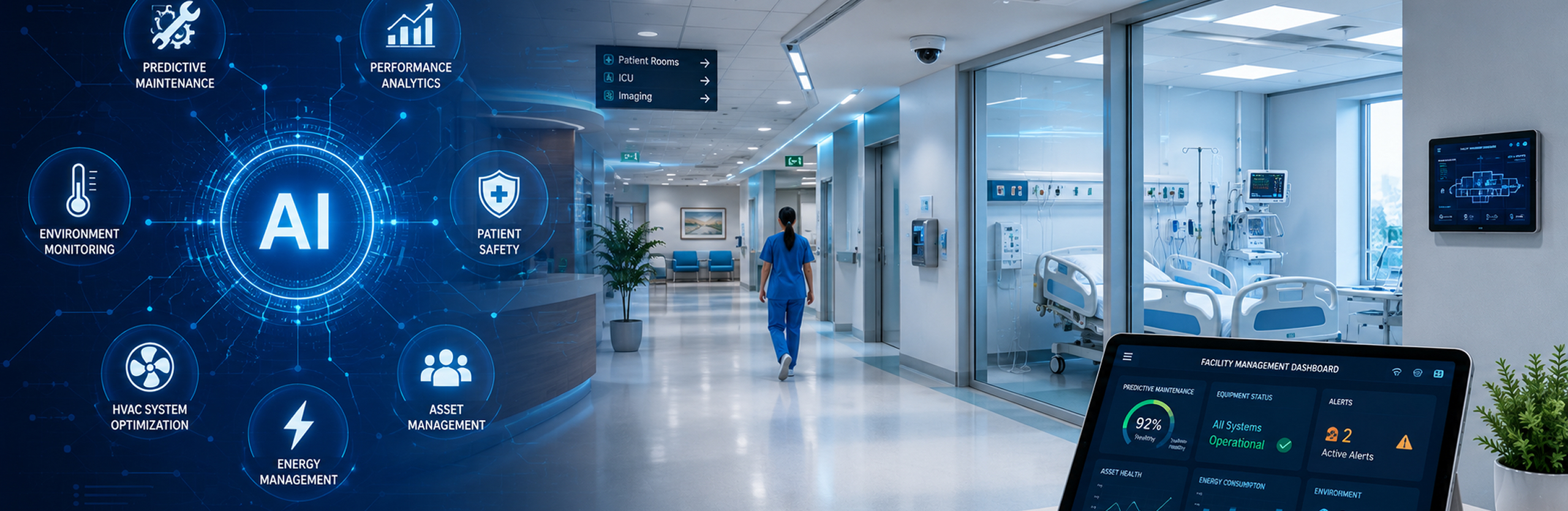

Asset Management Strategies for Warehouses and Industrial Facilities
Warehouses and industrial facilities operating in logistics environments rely on hundreds, sometimes thousands, of physical assets to keep operations running smoothly.
From material handling equipment and storage systems to HVAC units, electrical infrastructure, and machinery, every asset impacts productivity.
The challenge is managing them effectively throughout their lifecycle.
This is where warehouse asset management becomes critical.
A well-structured asset management strategy helps facilities reduce downtime, control maintenance costs, improve safety, and maximize the value of their investments.
As warehouses grow and operations become more complex, organizations are shifting from a reactive maintenance approach toward well-structured, data-driven asset management practices.
The Significance of Asset Management in Warehouses and Industrial Facilities
From loading bays and conveyor systems to electrical infrastructure and storage equipment, every asset experiences wear and tear over time.
And without proper monitoring and maintenance, even a minor equipment issue can disrupt operations, delay production schedules, or increase operational costs.
Effective industrial facility asset management provides visibility early and enhances performance and asset lifecycle across the facility.
Teams make informed decisions regarding maintenance, repairs, replacements, and future investments. And the result is improved operational reliability and better resource utilization.
Read more: How Energy Efficient Facilities Management Reduces Operational Costs
Moving Beyond Reactive Maintenance
For years, many facilities relied on a simple approach.
When equipment failed, it was repaired.
While this method may appear cost-effective initially, unexpected breakdowns often result in:
- Unplanned downtime
- Higher repair costs
- Production delays
- Reduced equipment lifespan
- Increased safety risks
Modern warehouse maintenance management focuses on preventing problems before they occur.
Instead of waiting for failures, facilities teams monitor asset performance regularly and schedule maintenance activities based on actual equipment conditions.
This shift allows organizations to maintain operational continuity while reducing long-term maintenance expenses.
Building an Effective Asset Management Strategy
Successful asset management for industrial facilities extends beyond maintenance. It involves creating a structured framework that supports the entire asset lifecycle.
Asset Classification and Inventory Management
The first step is understanding what assets exist within the facility.
Organizations should maintain an updated inventory that includes:
- Installation dates
- Maintenance history
- Warranty information
- Expected service life
- Equipment specifications
Having accurate asset records helps facilities teams correctly classify assets, prioritize maintenance activities, and allocate resources more effectively.
It also eliminates the guesswork often associated with asset planning.
Prioritizing Critical Assets
Some equipment can fail without significantly affecting operations, while failures involving conveyor systems, loading bays, or material handling systems can bring an entire facility to a halt.
Different assets carry different levels of operational importance.
Criticality assessments help identify which assets require closer monitoring and more frequent maintenance.
This approach allows maintenance teams to focus their efforts where they create the greatest operational impact.
Implementing Preventive Maintenance Programs
Preventive maintenance remains one of the most effective strategies within warehouse maintenance management.
Regular inspections, servicing, lubrication, calibration, and component replacements help reduce the likelihood of unexpected failures.
Rather than reacting to breakdowns, facilities can address minor issues before they develop into major problems.
This helps reduce unplanned downtime while improving reliability and equipment lifespan.
Using Data to Improve Asset Performance
Data has become a valuable asset in itself. Modern warehouse asset management increasingly relies on information gathered from equipment, maintenance records, and operational systems.
By analyzing performance trends, facilities teams can identify:
- Operational inefficiencies
- Frequently recurring failures
- Assets approaching end-of-life
- Maintenance cost patterns
These insights support better decision-making and help organizations optimize maintenance budgets.
As industrial facilities continue to adopt digital technologies, data-driven asset management is becoming a standard practice rather than a future goal.
The Role of Technology in Asset Management
Computerized Maintenance Management Systems (CMMS), IoT sensors, and predictive maintenance tools allow organizations to monitor asset performance in real time.
Instead of relying solely on scheduled inspections, facilities can detect changes in:
- Temperature
- Vibration levels
- Energy consumption
- Equipment utilization
This enables maintenance teams to respond earlier and reduce the risk of operational disruptions.
Many organizations involved in industrial facility asset management are increasingly integrating technology into their maintenance strategies to improve efficiency and visibility.
Read more: Digital Transformation in Facilities Management
Asset Management Challenges Unique to Warehouses
Unlike many other industrial facilities, warehouses operate in fast-paced logistics environments where the continuous movement of goods places significant demands on physical assets.
As a result, asset management in warehouses extends beyond routine equipment maintenance.
The high-use warehouse assets, such as forklifts, dock levellers, loading bay equipment, conveyor systems, racking systems, and automated storage systems, require structured inspection, preventive maintenance, and timely servicing to minimize breakdowns and maintain operational efficiency.
Since many of these assets work together as interconnected systems, a single point of failure can disrupt warehouse workflows, reduce productivity, and create safety risks.
As warehouse operations become increasingly complex, asset management strategies must account for the operational role of each asset rather than viewing them as standalone equipment.
At Al Arabia Facilities Management L.L.C., this lifecycle-focused approach supports reliable warehouse operations, improves asset performance, enhances business continuity, and maximizes long-term operational value.
Managing Asset Lifecycles Effectively
A strong asset management strategy considers every stage of an asset’s lifecycle.
This includes:
- Procurement
- Installation
- Operation
- Maintenance
- Replacement
Understanding lifecycle costs early on helps organizations determine whether maintaining an aging asset remains financially viable or replacing it would provide better long-term value.
This lifecycle-focused approach is a key component of effective asset management for industrial facilities because it balances performance, reliability, and cost efficiency.
Safety and Compliance Considerations
Poorly maintained equipment increases the risk of accidents, operational hazards, and compliance violations.
Regular inspections, maintenance, documentation, and asset tracking help ensure facilities meet required safety standards while protecting employees and operations.
In industries with strict compliance requirements, proper asset management and its documentation become operational requirements rather than maintenance functions.
Industry Trends Shaping Asset Management
Warehouses and industrial facilities in modern logistics environments are becoming more automated, connected, and data-driven.
As a result, asset management strategies have evolved as well.
Across the facilities management sector, reputed organizations such as Al Arabia Facilities Management L.L.C. are increasingly focusing on predictive maintenance, digital asset monitoring, and lifecycle-based management approaches.
These trends reflect a broader industry movement towards improving asset reliability while reducing operational costs with greater visibility, smarter maintenance planning, and data-driven decision-making.