
How AI Is Transforming Facilities Management Operations in the UAE
Facilities across the UAE are no longer operating the way they used to.
What once functioned as a collection of independent systems has now become more connected through integrated monitoring systems and data-driven decision-making.
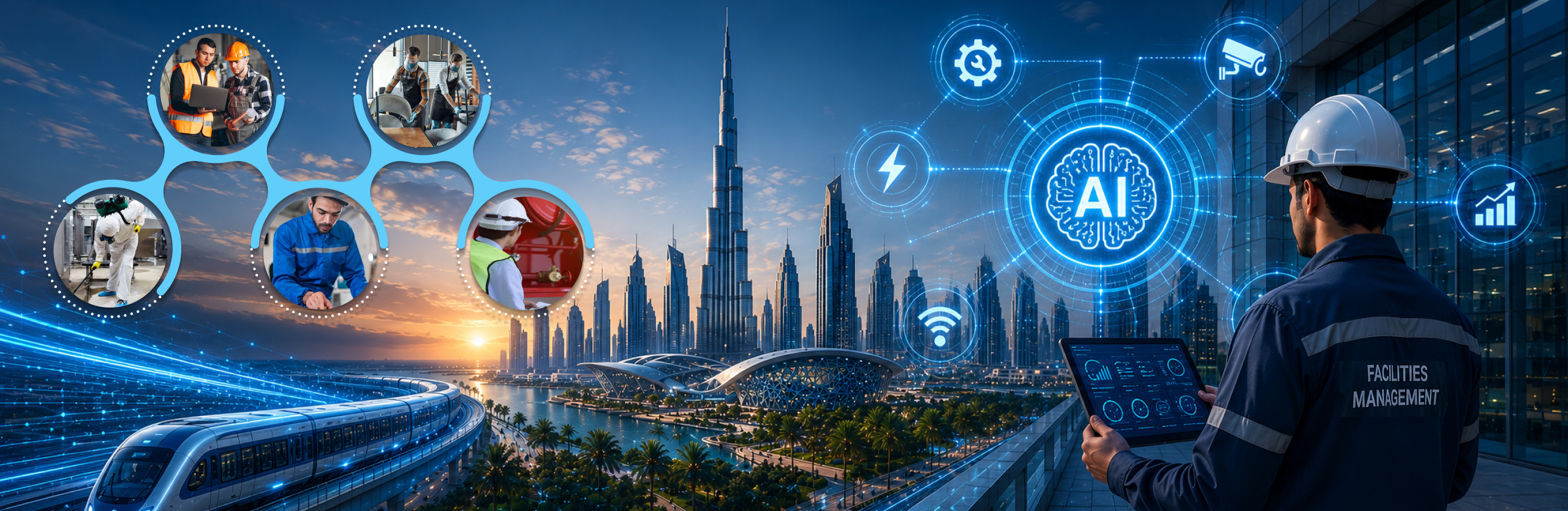
Buildings today are monitored more closely through AI-supported systems that help facilities teams identify potential operational issues before they become emergencies.
This shift is being driven by artificial intelligence in facilities management.
And the impact is visible in how facilities teams manage maintenance, energy use, and operational efficiency.
The Evolution of AI in Facilities Management
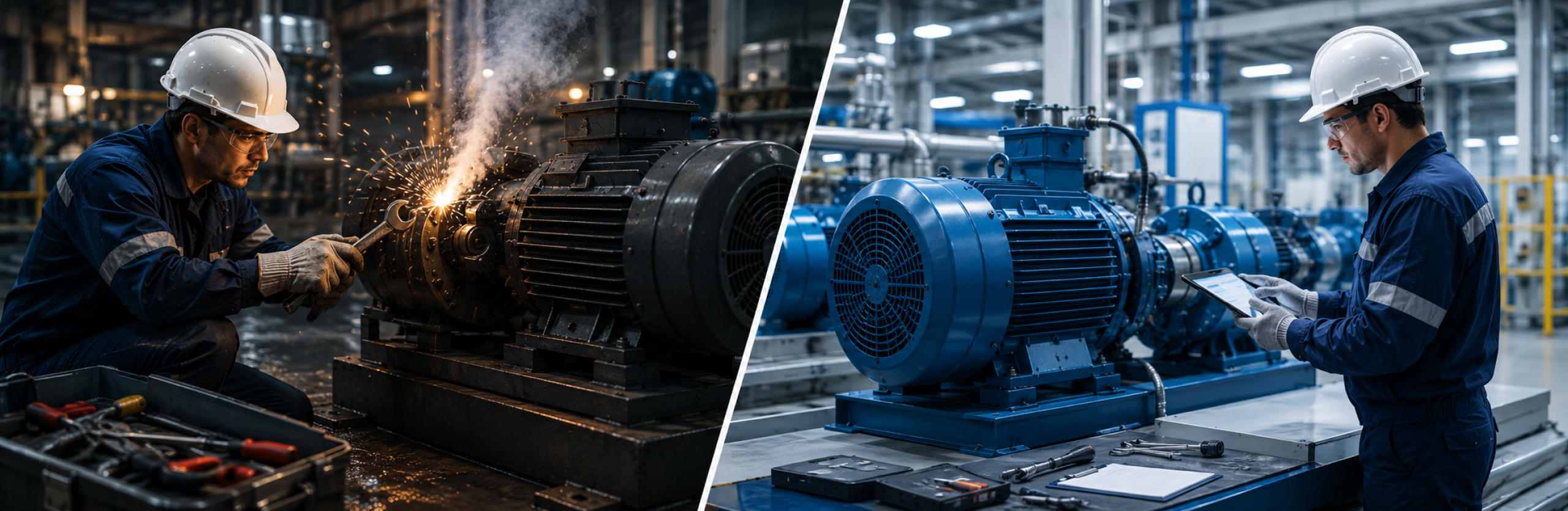
Traditionally, facilities management followed a reactive pattern.
Systems were repaired upon failure. Issues were addressed after the disruption.
While the approach was functional, it often led to delays, higher costs, and inconsistent performance.
AI is changing that cycle.
Facilities teams are increasingly using AI to monitor system performance in real time and support faster, data-driven operational decision-making.
The Shift from Reactive Maintenance to Predictive Operations
One of the most defining changes introduced by AI in facility management is the move towards predictive operations.
Instead of waiting for systems to fail, AI analyzes performance data to detect early warning signs, including:
- Usage cycles
- Vibration patterns
- Temperature fluctuations
- Historical performance trends
By identifying patterns and anomalies within data, potential failures can be predicted way before they impact operations.
This allows facilities teams to intervene at the right time, not too early, not too late.
The result is reduced downtime, fewer emergency repairs, and more stable system performance.
In high-demand environments like the UAE, this level of foresight becomes essential.
Because even a short disruption can have operational and financial consequences.
Read more: FM in the UAE: What Businesses Must Prepare for in 2026
Why AI Adoption Is Accelerating in the UAE
The rise of AI facilities management in the UAE is closely tied to the region’s broader push towards smart infrastructure.
Modern developments have evolved beyond physical assets. They function as integrated ecosystems now.
These environments combine:
- Digital infrastructure
- Sustainability targets
- High occupant expectations
- Advanced engineering systems
And managing this level of complexity through traditional methods is no longer effective.
This is why every forward-looking facility management company is integrating AI with IoT-enabled systems and automation platforms.
These systems collect operational data in real time, helping facilities teams improve maintenance planning, energy management, and overall system efficiency.
The result is improved operational efficiency, better resource utilization, and stronger support toward ESG goals.
How is AI Applied in Real-World Facility Operations
The real value of AI tools for facility management becomes clear when looking at daily operations.
Maintenance
Maintenance no longer stays static. It becomes dynamic and condition-based. Instead of following fixed schedules, systems are serviced based on actual performance data.
This improves reliability and extends asset lifespan by preventing unnecessary wear.
Energy Management
Energy management has also evolved. AI systems adjust consumption based on occupancy patterns and usage behaviour.
Cooling, lighting, and power distribution are continuously optimized to reduce consumption and avoid wastage, while maintaining the same level of comfort.
In a region like the UAE, where energy demand is high, this level of optimization directly impacts operational costs and sustainability outcomes.
Automation
Operational workflows are getting more streamlined as well.
Task allocation, service tracking, and reporting are increasingly automated. This reduces manual intervention and improves response times across facilities.
Customer Experience
Tenant experience is also improving.
AI-enabled platforms ensure faster resolution of service requests and more consistent service delivery, playing a critical role in high-value residential and commercial environments.
Digital Twin Technology
Another major advancement is the use of digital twin technology.
AI helps create virtual replicas of buildings on which facilities teams then simulate different scenarios, analyze system behaviour, and make informed decisions without affecting live operations.
In this segment, AI supports facilities management by improving visibility into operational performance and enabling more informed planning.
The Broader Impact on Facility Performance
When artificial intelligence in facilities management is implemented effectively, its impact extends beyond day-to-day operations.
Cost efficiency improves with reduced maintenance expenses, optimized resource allocation, and extended asset lifespan.
Operational efficiency becomes more consistent as systems are interconnected and decisions are based on real-time insights rather than assumptions.
Reliability increases because systems are continuously monitored, reducing the chances of unexpected failures.
Across the UAE, this transformation is also reflected in how service providers operate.
Industry leaders like Al Arabia for Operations and Maintenance represent this shift towards predictive maintenance, intelligent monitoring, and data-driven decision-making by incorporating AI in facilities management.
We look beyond mere service delivery and strive for performance.
Stable environments, faster response times, and system integration contribute to higher satisfaction and long-term retention. As a result, occupant experience improves.
The Future of AI in Facilities Management
The next phase of AI facilities management in the UAE is moving towards greater autonomy.
Systems will continue improving their ability to support automated alerts, operational recommendations, and faster issue resolution.
Energy and maintenance systems will be further optimized with AI monitoring tools to enhance performance based on occupancy, trends, equipment usage, and operational conditions.
The use of AI to support faster operational adjustments, improved monitoring, and more informed maintenance decisions is only expected to grow, enabling more precise control, stronger sustainability outcomes, and improved long-term asset performance.