25 FEBRUARY 2026
Why Professional Facility Management is Critical for Shopping Malls in 2026?
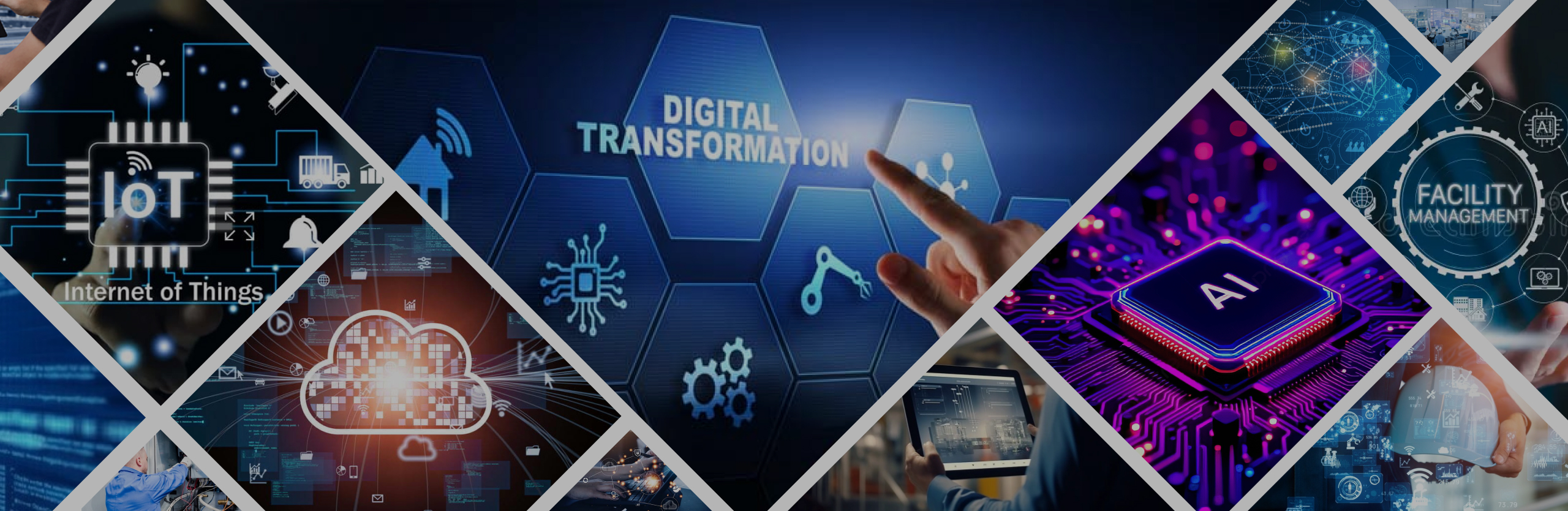

Digital transformation is gradually changing how facilities are managed across the UAE. What was once handled through spreadsheets, manual logs, and disconnected systems is now moving towards more digital and connected ways of working.
Facilities management today deals with larger buildings, more advanced systems, and higher expectations from businesses and regulators.
As a result, relying solely on traditional methods is becoming increasingly challenging.
Digital tools help FM teams gain better visibility, improve coordination, and manage assets more effectively over time.
In 2026, digital transformation in facilities management is no longer seen as something optional or experimental. It is becoming a basic requirement to operate efficiently and stay compliant.
Facilities generate a lot of information every day.
Energy usage, equipment condition, maintenance records, service requests, and occupancy data are all part of daily operations.
Without digital systems, much of this information is either scattered across different platforms or not used at all.
Digital transformation in FM helps bring this information together.
Instead of working in silos, teams can access data from one place and make better decisions based on actual performance rather than assumptions.
Across the UAE, the push towards digital FM is also influenced by smart city initiatives, sustainability goals, and stricter compliance requirements.
Digital transformation in facilities is no longer just about using new software. It is about creating connected facilities where systems, people, and processes work together more smoothly.
Modern buildings have many interconnected systems. HVAC, electrical networks, fire safety, access control, and building automation systems that need to work together.
As facilities grow in size and complexity, operations get bigger and disjointed. In such situations, digital transformation in facilities provides a more organized way to manage assets as a whole rather than handling each system separately.
Facilities in the UAE are subject to strict regulations related to safety, energy efficiency, sustainability, and reporting.
Keeping track of inspections, certifications, and maintenance records manually can be challenging. This is where digital FM systems help by centralizing and automating records.
This makes audits easier and helps companies stay compliant. And for many organizations, this alone is a strong reason to invest in digital transformation in facility management.
Facilities management for businesses goes beyond operational functionality.
Organizations now expect clear performance outcomes, such as cost control, system reliability, and occupant comfort. Digital transformation in FM supports these expectations by tracking performance and curating data for informed decision-making.
This also helps FM teams explain their impact in practical terms and improve services over time.
One of the first steps many businesses take is adopting facilities management software. These platforms bring together maintenance schedules, asset information, service requests, vendor coordination, and reporting into a single system.
Instead of chasing updates across emails and spreadsheets, facility managers can analyze realtime data in a much more visual and graphical sense.
This makes coordination easier and reduces delays, especially for companies managing multiple sites across the UAE.
FM software systems also support standardization, while still allowing flexibility of individual site-level tracking and analysis.
Automation is becoming an important part of digital transformation in facilities management.
Simple examples include automatic work order creation, scheduled preventive maintenance, and alerts when equipment performance drops.
These automated processes reduce manual effort, alert predictive maintenance, and help teams respond faster.
It’s important that FM managers understand that facilities management automation does not replace people but allows them to focus more on planning, coordination, and improvement rather than administration.
IoT-based sensors are increasingly used to monitor equipment condition, energy use, temperature, and other environmental factors.
These FM digital tools provide continuous updates, streamlining periodic checks. With this information, teams can identify issues early and plan maintenance before failures occur.
This reduces downtime and helps extend the life of critical assets.
For large commercial, healthcare, and industrial facilities, smart monitoring also plays a key role in sustainability by highlighting areas where energy or resources are being wasted.
Digital transformation in facilities is not complete without structured data.
Dashboards and analytics tools help turn raw information into insights that teams can use for informed decision-making. Patterns in maintenance, energy consumption, and service response times start becoming predictable when we study data.
This data-driven approach allows organizations to move away from reactive decision-making and move towards better planning, budgeting, and performance tracking.
Digital tools should solve real problems. Before adopting new systems, organizations need to understand what they want to improve, whether it is response time, compliance tracking, or understanding cost and overhead.
When technology is aligned with operational goals, it becomes easier to use and delivers better results.
Digital transformation in FM does not need to happen all at once. A phased approach allows teams to adapt gradually while keeping daily operations running smoothly.
This also gives organizations time to refine workflows, fix issues early, and build confidence in the new systems.
Digital tools are only effective if people know how to use them.
FM teams need to be able to understand data, system knowledge, and basic troubleshooting.
Training helps ensure that the workforce is data-driven and tech investments are rightly used for the company’s benefit.
In the UAE, renowned FM providers such as Al Arabia for Operations and Maintenance have supported organizations by implementing structured digital systems tailored for their operational needs.
Our approach focuses on making digital tools part of everyday FM work rather than treating them as standalone upgrades.
In 2026, companies that successfully adopt digital transformation in facilities management are likely to see clearer operational control, more accurate budgeting, fewer system failures, and stronger compliance readiness.
Digital transformation is steadily reshaping facilities management across the UAE. As buildings become smarter and more connected, FM teams are taking on a more strategic role.
Facilities management is moving beyond maintenance. It’s stepping into performance, sustainability, and long-term asset planning.
Organizations that invest in the right FM digital tools, adopt realistic implementation approaches, and develop their FM teams today will be better prepared to manage future facilities efficiently and responsibly.