
What Are the Benefits of Switching From Single-Service FM to Integrated FM?
As businesses expand, operations become more complex, and workplace expectations continue to rise. In response, facility management across organizations has evolved significantly over the past decade.
One of the most notable shifts in recent years has been the move away from Single FM models toward Integrated Facilities Management (IFM).
While single-service facilities management has traditionally served businesses well and continues to do so for small-scale organizations, it tends to introduce inefficiencies, communication gaps, and increased administrative burdens when deployed on an expanded scale.
As businesses across the UAE seek smarter ways to manage their facilities, Al Arabia Facilities Management L.L.C. helps organizations transition from these fragmented service models to integrated, performance-driven facilities management solutions.
Before making a decision, let’s dive into both models and understand them.
Understanding Single-Service FM
A Single FM model involves outsourcing individual services to separate providers.
For example, an organization may engage one provider for cleaning, another for maintenance, a third for security, and yet another for landscaping.
While this approach can work effectively for organizations with limited operational requirements, it becomes increasingly difficult to manage as the portfolio expands.
Many businesses using Single FM models in Dubai and across the UAE appreciate the flexibility of selecting specialized vendors for specific services.
However, coordinating multiple contracts, monitoring different service levels, and managing communication across several providers can quickly become time-consuming and inefficient.
What is Integrated Facilities Management?
IFM consolidates multiple facility services under a single management structure or provider.
Rather than dealing with separate contractors for each service, organizations work with one partner responsible for coordinating and delivering all facility-related functions.
These services may include the following services and may expand beyond:
- Landscaping
- HVAC maintenance
- Waste management
- Energy management
- Security management
- Cleaning and housekeeping
- Electrical and plumbing services
- Helpdesk and support services
The result is a streamlined, coordinated, and more efficient approach to managing your facilities.
As a provider of IFM services across Dubai and the UAE, Al Arabia Facilities Management L.L.C. brings these essential services together under one operational framework, helping organizations achieve greater efficiency, accountability, and service consistency.
Enhanced Operational Efficiency
One of the most significant advantages of switching from Single FM to Integrated FM is improved operational efficiency.
When multiple vendors operate independently, communication gaps arise. Issues may be passed among contractors and responsibilities may be confused, resulting in delays.
An integrated model creates a centralized management system where all services work together toward common objectives. Tasks are coordinated more effectively, response times improve, and operational disruptions are minimized.
For businesses operating across multiple locations in the UAE and the Middle East, this level of coordination can significantly improve day-to-day facility performance.
By leveraging IFM models, facility managers can ensure seamless coordination across all facility functions, minimize service disruptions, improve response times, and create a more productive environment for their employees and visitors.
Read more: How Energy Efficient Facilities Management Reduces Operational Costs for Businesses in the UAE
Better Cost Control and Budget Management
Many organizations assume that hiring separate vendors offers greater cost flexibility. However, managing multiple contracts results in hidden administrative costs and duplicated efforts.
IFM simplifies procurement and contract management by consolidating services under a single agreement. This reduces the administrative overhead while providing clearer visibility into facility-related expenses.
In addition, integrated providers can optimize resource allocation across different service areas, helping organizations achieve better value from their facilities budgets.
Note: Businesses transitioning from single FM solutions in the UAE to IFM frequently discover cost savings that were previously difficult to identify due to fragmented service delivery.
Improved Accountability
A common challenge associated with single-service facilities is determining responsibility when problems arise.
For example, if an equipment failure affects building operations, multiple contractors may be involved, making it difficult to pinpoint ownership of the issue.
The integrated approach eliminates this challenge by creating a single point of accountability. Organizations no longer need to coordinate between various vendors or manage service disputes. Instead, one provider assumes responsibility for the overall facility performance.
This streamlined accountability offers faster issue resolution and a better experience for facility occupants.
Stronger Governance and KPI Management
Beyond simplifying day-to-day operations, Integrated Facilities Management strengthens administration by establishing clear performance frameworks across every facility service.
Instead of monitoring separate vendors with different reporting formats and service standards, organizations benefit more from a centralized governance structure with unified reporting, where performance is measured against clearly defined Key Performance Indicators (KPIs) and standard Service Level Agreements (SLAs).
This enables greater transparency, accountability, and control over facilities.
Regular performance reviews and data-driven insights also help identify trends, monitor vendor performance, and implement continuous improvements with confidence.
With Al Arabia Facilities Management L.L.C.’s IFM solutions, governance is prioritized.
Our structured KPI management framework helps maintain compliance, measure operational performance, optimize resource utilization, and ensure every facility service consistently aligns with the ultimate business objectives.
Consistent Service Standards
Maintaining consistent service quality can be difficult when several vendors operate independently.
Each contractor may follow different procedures, reporting methods, and performance metrics. This can create variations in service delivery, tracking, and maintenance across departments or locations.
IFM establishes standardized procedures and performance benchmarks across all services. Whether managing one facility or multiple sites across the region, businesses benefit from greater consistency, transparency, and improved quality control.
For organizations that previously relied on single FM providers in Dubai for different service categories, standardization is a key driver for adopting an integrated model and accelerating growth.
Access to Data and Strategic Insights
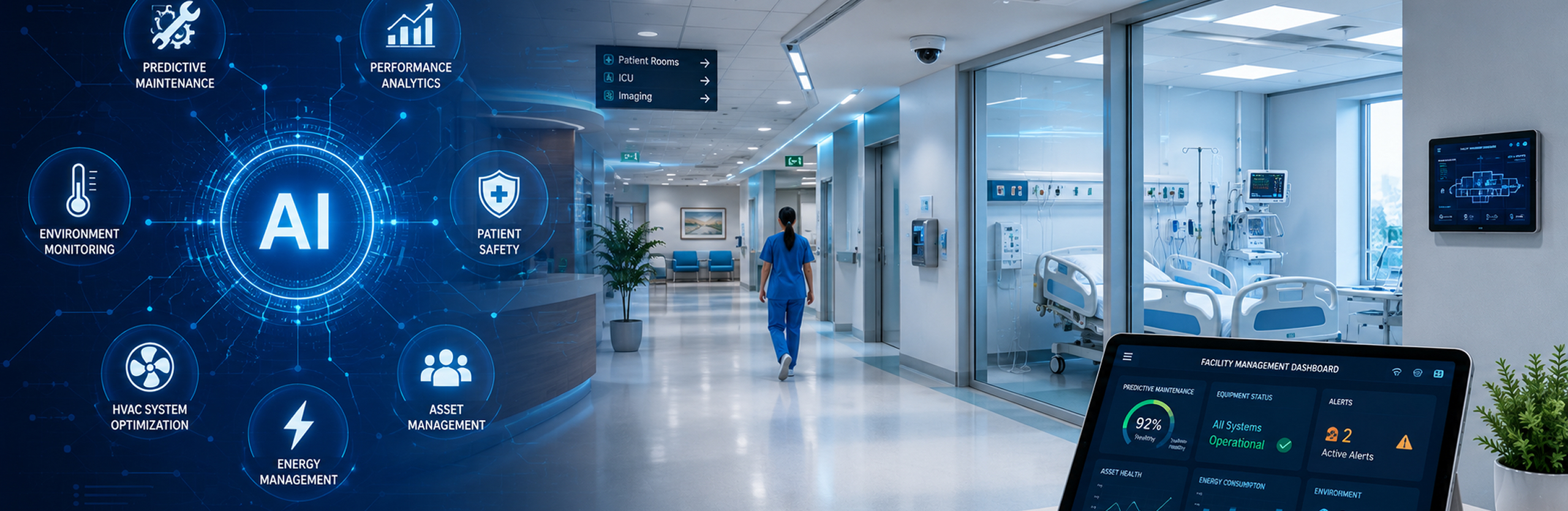
The integrated approach utilizes centralized reporting systems, digital dashboards, and performance analytics to monitor facility operations in real time.
This provides decision-makers with valuable insights into maintenance trends, energy consumption, asset performance, and service efficiency.
With all facility data consolidated into a single system, organizations can make more informed decisions and identify opportunities for continuous improvement.
This level of visibility is difficult to achieve when using multiple independent single FM poviders with separate reporting structures.
Supporting Long-Term Business Growth
As businesses expand throughout the UAE and Middle East, facility requirements naturally become more complex.
An integrated model provides the scalability needed to support growth without significantly increasing management complexity.
New locations, additional services, and evolving operational requirements can be incorporated within an existing facility management framework.
This flexibility allows organizations to focus on their core business objectives while ensuring their facilities continue to operate without discontinuity.
Read more: Energy Management and Sustainability in Hard FM: Best Practices for 2026
Conclusion
While single-service facilities remain suitable for certain organizations, the growing demands of modern workplaces are driving many businesses toward Integrated Facilities Management.
By improving operational efficiency, reducing costs, enhancing accountability, standardizing service quality, and providing greater visibility into facility performance, IFM offers a more strategic and future-ready approach to facility management.
If you currently rely on Single FM solutions in Dubai or the UAE, partnering with an experienced IFM provider can unlock significant operational advantages.
With 40+ years of service in the UAE, Al Arabia Facilities Management L.L.C. delivers tailored IFM solutions that help you simplify operations, reduce administrative complexity, optimize facility performance, and create environments that support long-term business growth.
As facilities management continues to evolve, moving beyond traditional single FM models is a strategic business decision.
And with the right IFM partner, you can not only streamline operations and optimize costs, but also focus on what matters most: upscaling and growth.